



Lost property is easy to dismiss as a personal inconvenience. The kind of thing that happens to other people, or that you deal with occasionally and move on from. But the aggregate picture is striking. The volume of items lost every year, the cost to individuals and organisations and the low rate of recovery together describe a significant and largely unsolved problem.
Here's what the numbers actually look like.
Transport
Transport is where lost property is most systematically recorded, because operators have formal processes for handling it.
Transport for London receives around 300,000 lost items every year across the Underground, buses and Overground. Of these, only around a fifth are ever successfully reunited with their owners. The rest; phones, wallets, keys, bags, documents either go unclaimed or are disposed of after the statutory holding period.
The UK rail network collectively logs hundreds of thousands of lost items annually. Each train operating company handles its own lost property, which means a bag lost on a train that crosses multiple operators' lines creates an immediate coordination problem.
Globally, SITA's annual Baggage IT Insights report tracks airline baggage mishandling. In 2023, airlines reported mishandling over 26 million bags delayed, damaged, lost, or pilfered. While the majority are eventually reunited with their owners, the process is slow, opaque and costly for both the airline and the passenger.
Hospitality and Venues
Hotels, restaurants, sports venues and entertainment spaces collectively handle vast quantities of lost property, but it's poorly tracked at an industry level because most establishments manage it informally.
An average mid-size hotel might log 5–10 lost items per day. At peak occupancy, that rises significantly. The majority of these are small items; chargers, earphones, books, sunglasses but valuable items turn up regularly, including laptops, jewellery and passports.
Theme parks and sporting venues deal with the complexity of high footfall and short dwell times. An item left at a stadium during a 90-minute match has a narrow window before the cleaning team moves through and the next event begins.
The Recovery Gap
Across most categories, the recovery rate for lost items sits well below 50%. For some categories; small items in busy public spaces it's much lower.
Several factors drive this gap:
No contact information. Items without any identifying information or contact method can only be returned if the owner proactively tracks them down through the right channel.
Owner doesn't know where to look. Lost property is fragmented across hundreds of different operators, venues, and local authorities. There's no unified UK lost property database.
Timing. Most operators hold lost property for a defined period typically 4–12 week before it's donated, auctioned, or disposed of. Owners who take longer to search often miss the window.
Friction in the contact process. Even when an item is in a lost property office and the owner wants it back, the process of verifying identity, arranging collection or postage and navigating the operator's procedures adds enough friction to deter recovery.
What the Numbers Suggest
The recovery gap is not primarily a location problem, most lost items haven't gone far. It's a communication and identification problem. The right people don't have enough information to find each other quickly enough.
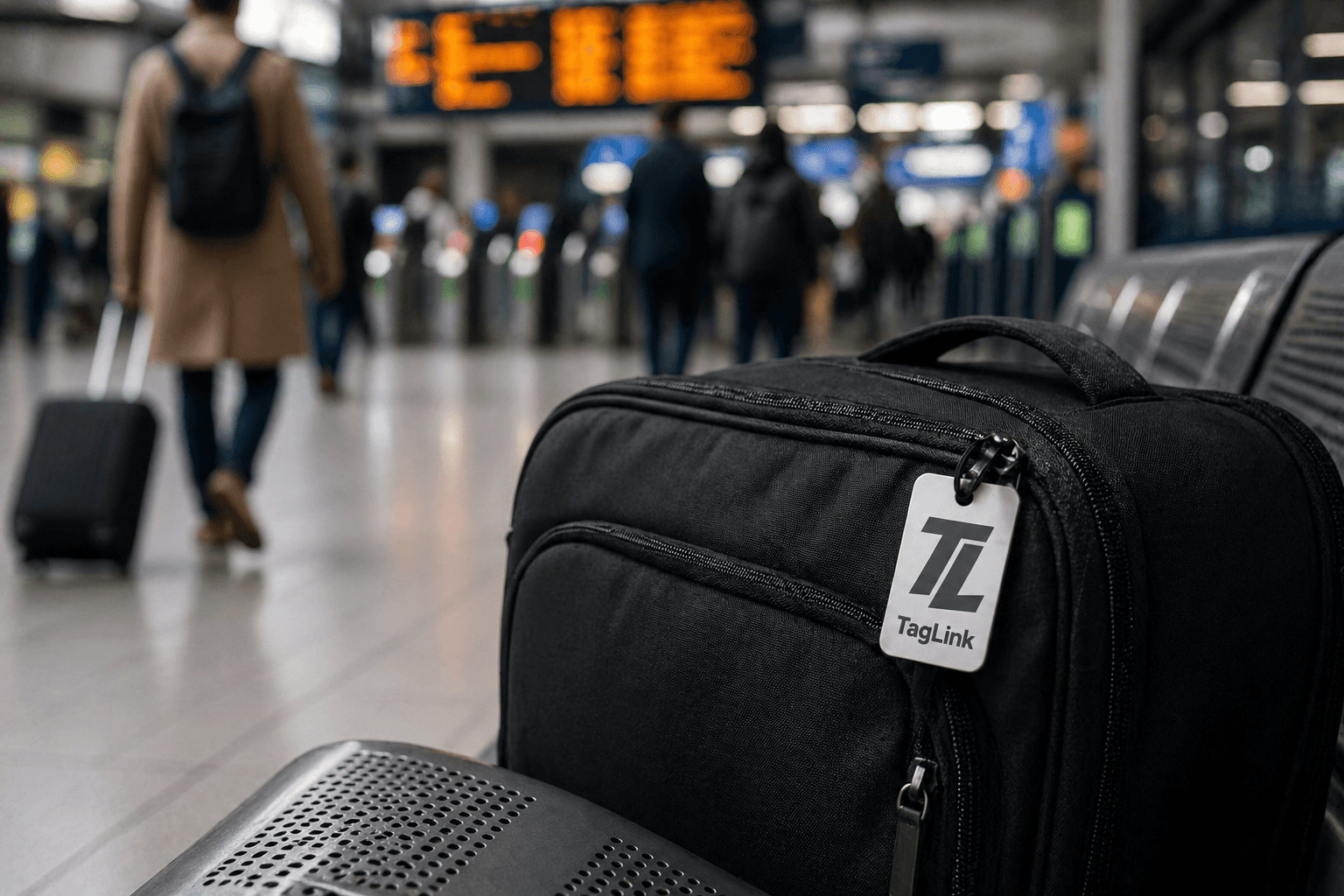
Technology addresses this directly. An item that can announce itself through a scannable tag that immediately connects finder and owner closes the communication gap without requiring any of the existing infrastructure to work better.
The 80% of lost items on the London Underground that never reach their owners don't fail to return because they're unrecoverable. They fail to return because the path between finder and owner is too long, too complex, or too slow.
A direct, immediate connection changes that equation. It doesn't require a national database, a new regulation, or a policy change. Just a tag that works.
TagLink creates a direct, instant connection between finders and owners on any phone, anywhere.